The patent practice of AddyHart LLCU.S. counsel for European innovation
DIVERGENT PATENT LAW: AUDIO EDITION

Patent insights.
In your own time.

Listen to audio editions of Divergent Patent Law articles, with the written analysis and cited authorities close at hand.

71 audio editions · Original articles and sources.

Explore European patent strategy ↗

71 articles in the library

Patent Prosecution · 10 min read

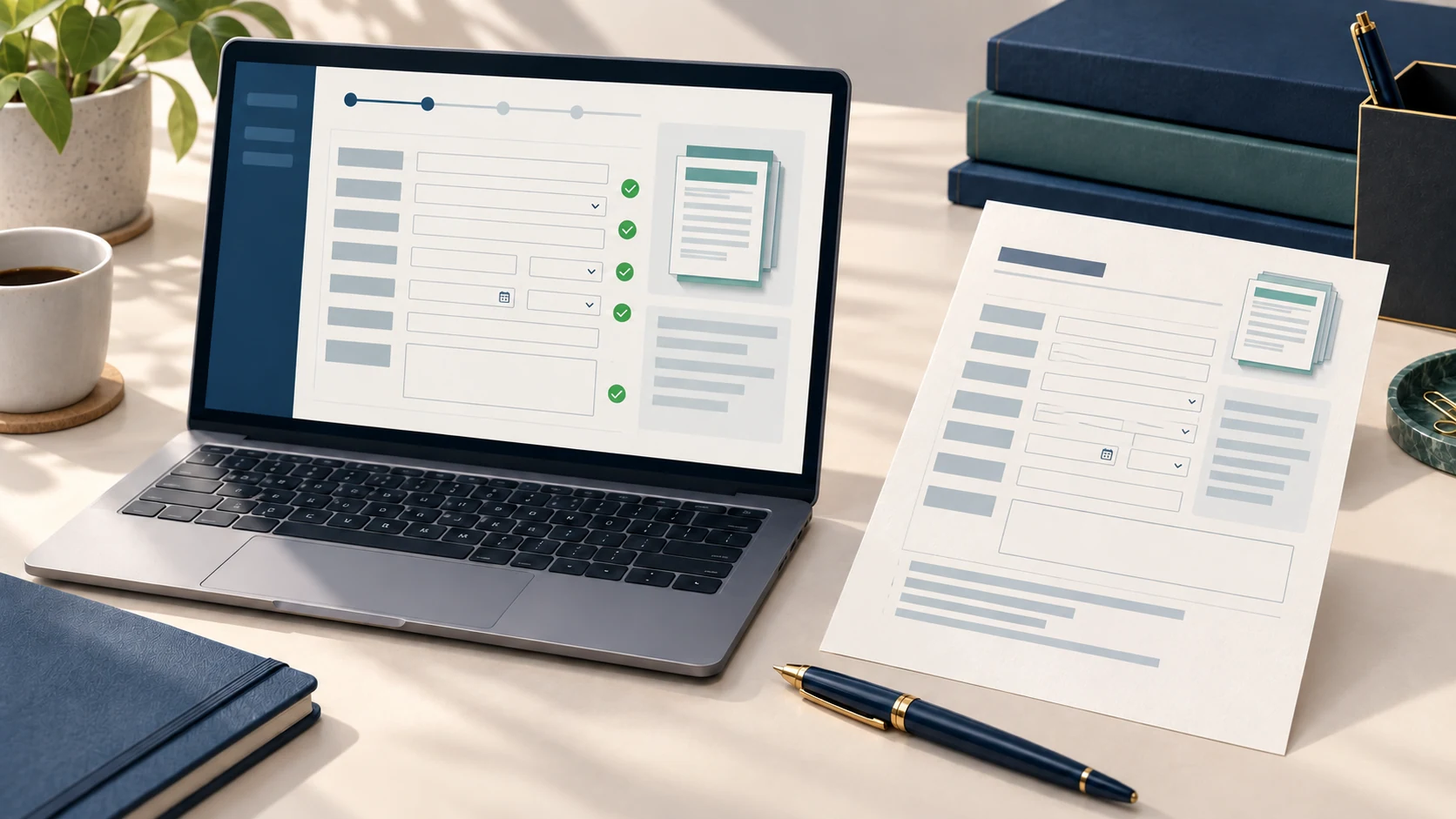
Make Web ADS the Default for Cleaner Patent Filings

Making the USPTO’s Web Application Data Sheet (Web ADS) the default for supported utility and design filings can reduce preventable errors and the need for corrected ADS submissions after the filing receipt arrives. Guided entry, parent-application autofill,…

Brandon Theiss · Audio 23:34
Listen on Spotify
Patent Prosecution · 14 min read

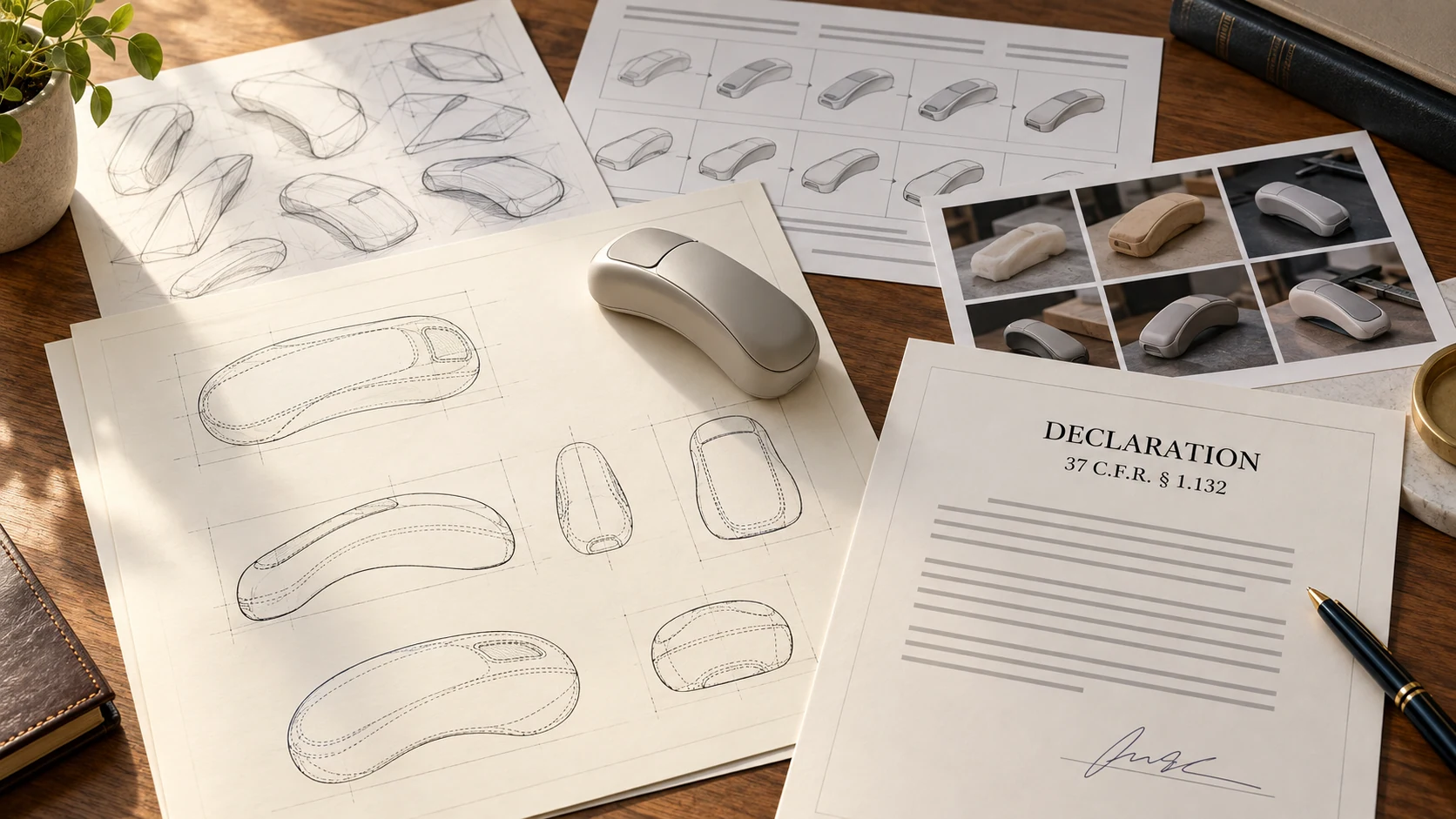
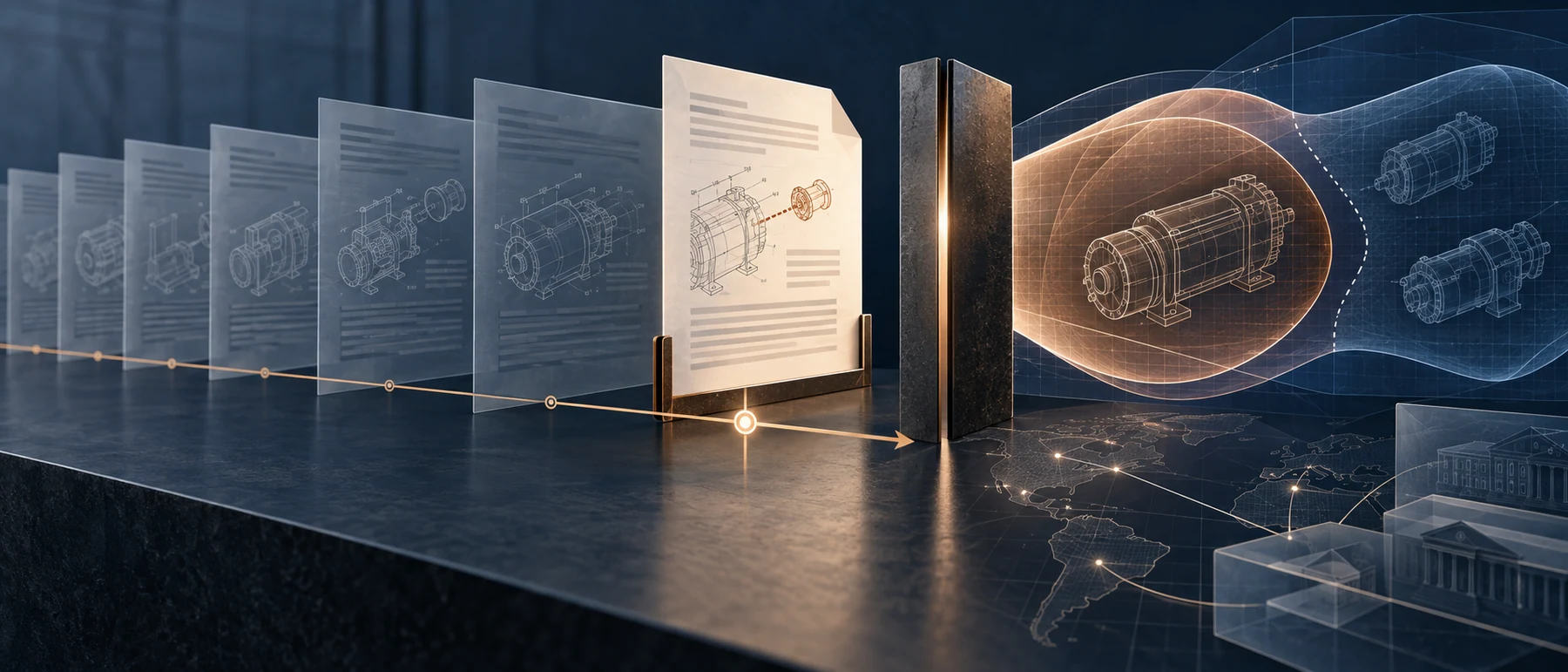
Using Rule 132 Declarations in Design Patent Prosecution

Declarations under 37 C.F.R. § 1.132 can strengthen design patent applications by supplying evidence addressing ornamentality, obviousness after LKQ, and the connection between commercial success and the claimed design. Their persuasive value depends on…

Brandon Theiss · Audio 32:43
Listen on Spotify
Patent Prosecution · 16 min read

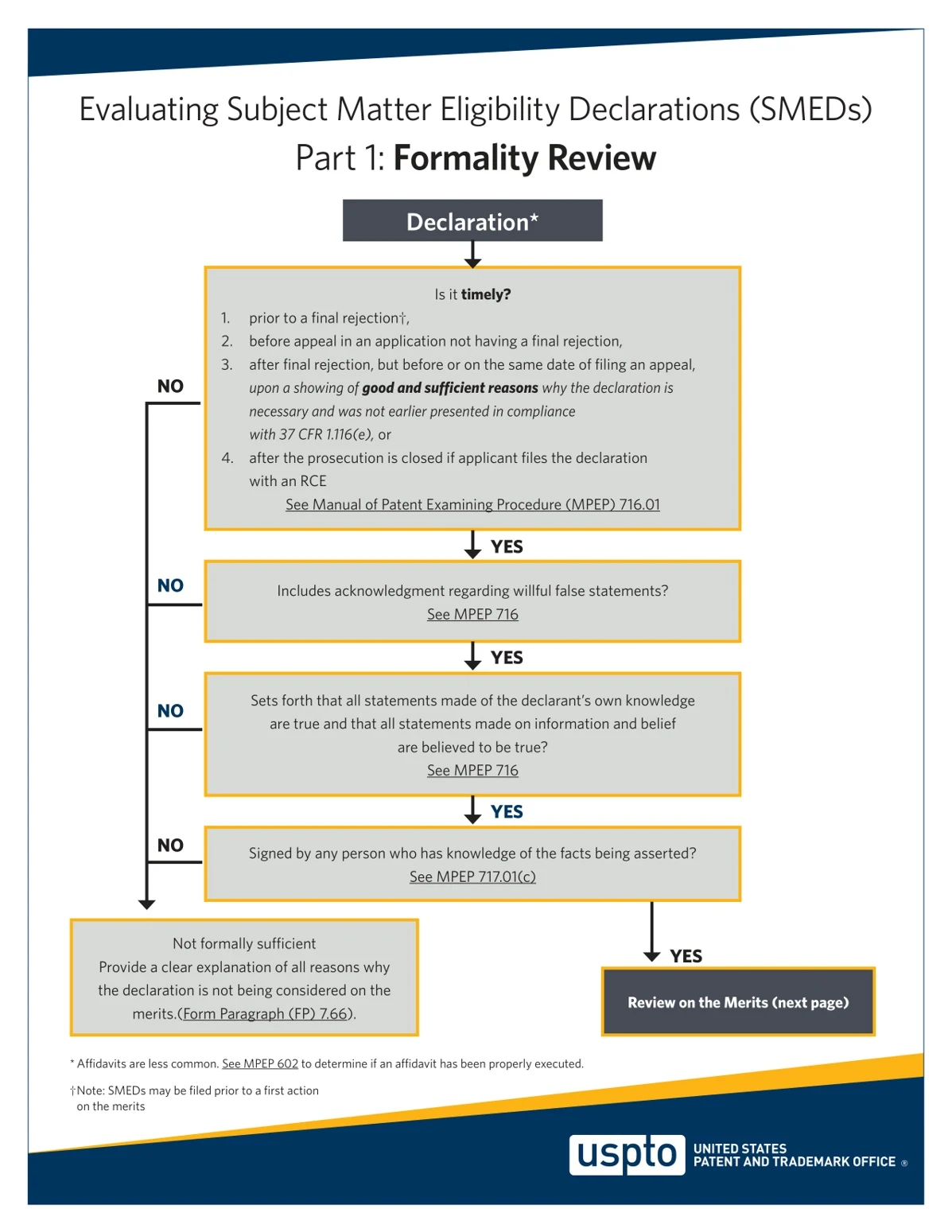
Inventor Testimony and Corroboration After the New SMED Guidance

The USPTO’s September 29, 2026 guidance on Subject Matter Eligibility Declarations (SMEDs) provides an opportunity to distinguish legally required corroboration from the factual support that makes inventor testimony persuasive. Drawing on Supreme Court and…

Brandon Theiss · Audio 37:41
Listen on Spotify
PTAB/IPR · 28 min read

Returning IPR Merits Determinations to the PTAB

Returning merits institution determinations in inter partes review to panels of administrative patent judges should establish a clearer allocation of decisional responsibility within the United States Patent and Trademark Office. The Director-centered process…

Brandon Theiss · Audio 62:24
Listen on Spotify
European Patent Strategy · 20 min read

Using PCT Chapter II Before National Phase Entry

Chapter II of the Patent Cooperation Treaty offers applicants an optional opportunity to address examination objections, amend the application, and obtain an international preliminary examination report before national phase entry. Its greatest value arises…

Brandon Theiss · Audio 46:47
Listen on Spotify
Patent Prosecution · 14 min read

Information Disclosure Statements: From Filing Through Issuance

Effective information disclosure statement (IDS) practice requires coordinating the duty to disclose known, material, noncumulative information with the procedural requirements for obtaining examiner consideration. 37 C.F.R. §§ 1.56, 1.97–1.98 (2026). This…

Brandon Theiss · Audio 34:22
Listen on Spotify
Patent Prosecution · 18 min read

Correcting Patent Applications After Allowance Under Rule 312: A practical guide to timing, discretion, procedural alternatives, and enforcement consequences

A notice of allowance does not eliminate prosecution risk; it compresses the time available and narrows the procedures for correcting an application before issuance. Rule 312 offers a final, low-disruption opportunity to make a supported correction, but entry…

Brandon Theiss · Audio 43:17
Listen on Spotify
Patent Prosecution · 18 min read

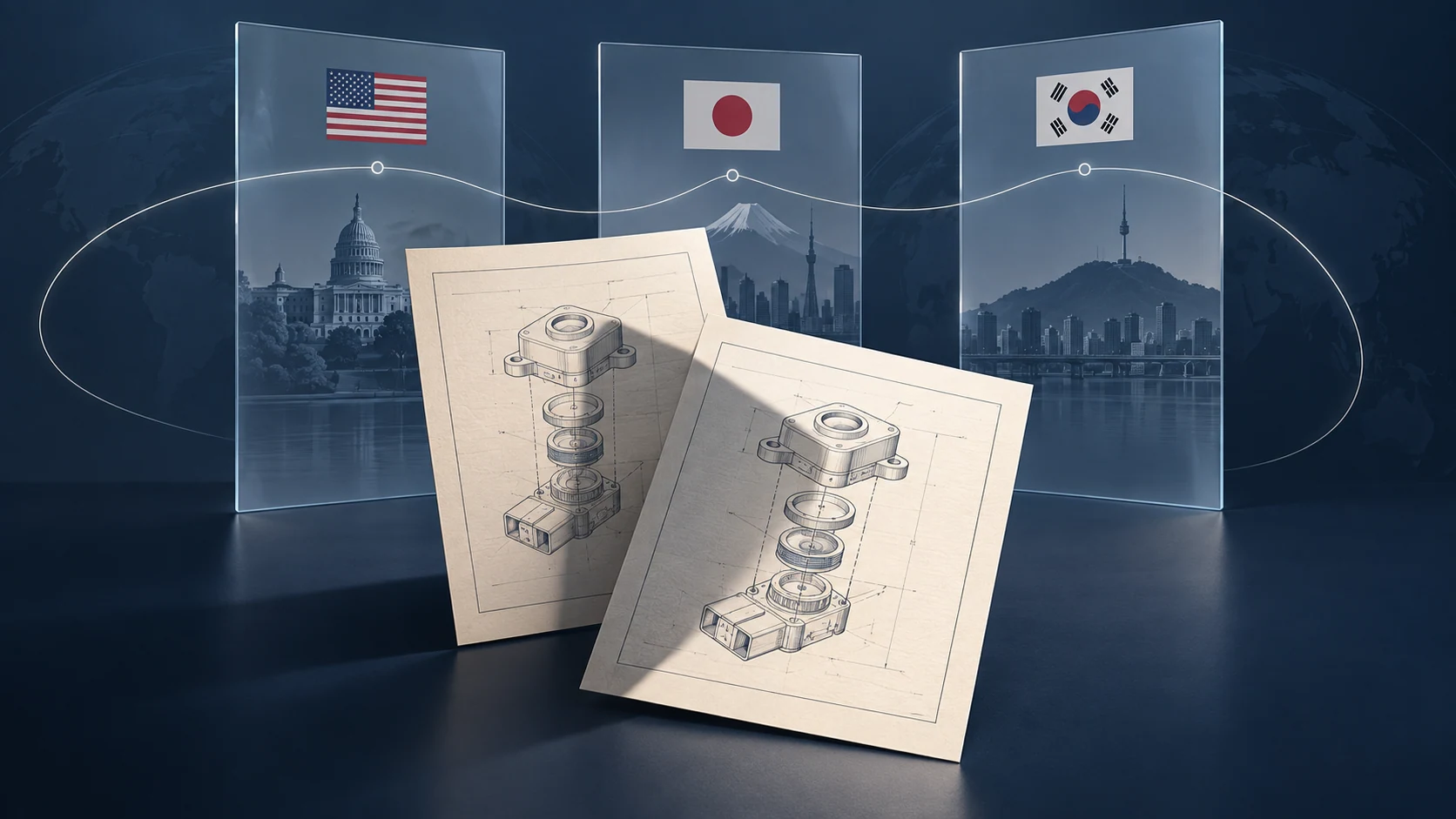
When Your Own Patent Application Becomes Prior Art: U.S. common ownership, Japanese applicant identity, and Korean expanded novelty—a guide in both directions

An earlier patent application within a corporate portfolio can threaten a later application, but the available protection depends on which jurisdiction’s rules apply. This article uses 35 U.S.C. § 102(b)(2)(C) to explain Japan’s Article 29bis and South…

Brandon Theiss · Audio 46:39
Listen on Spotify
Patent Prosecution · 18 min read

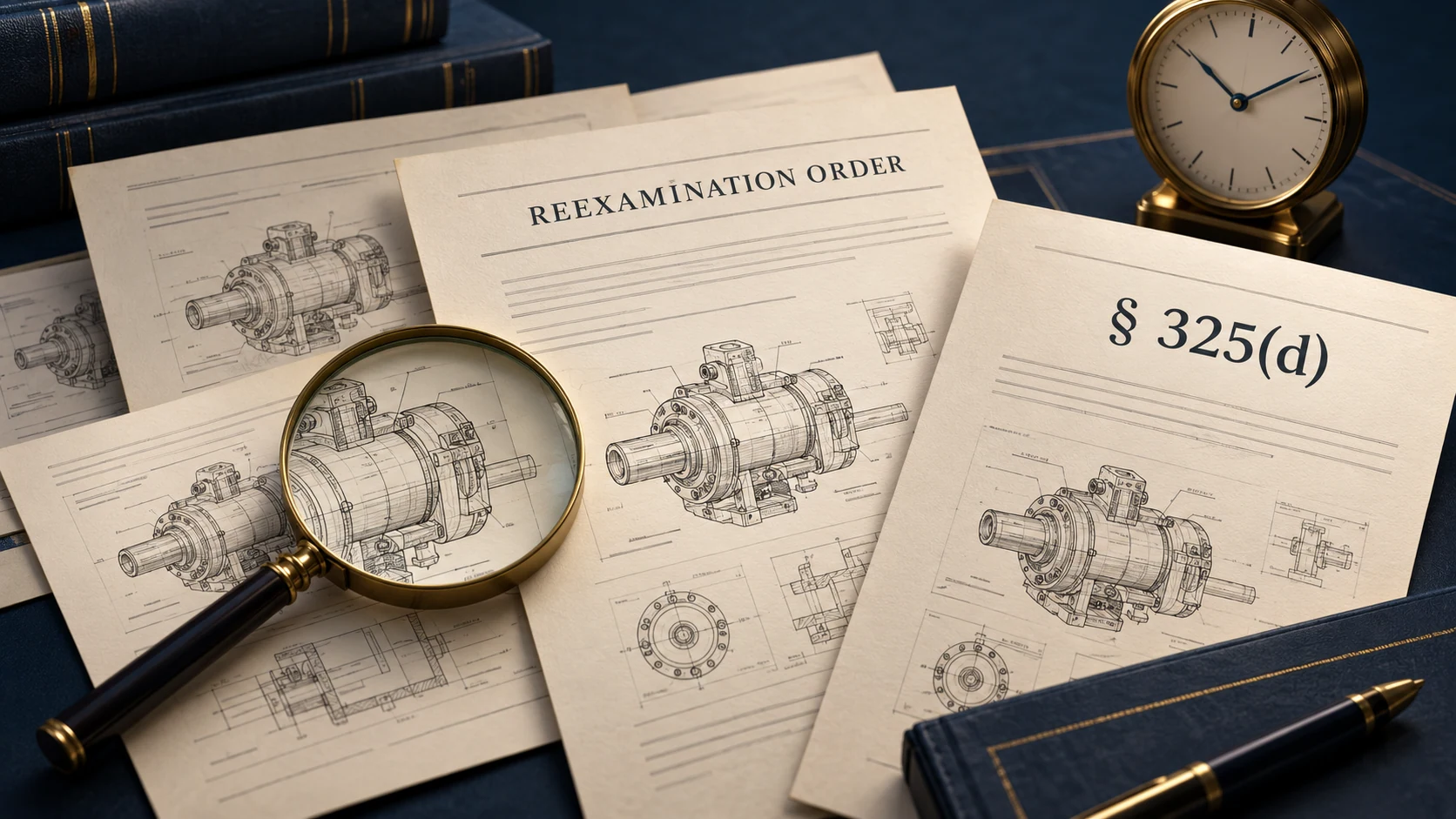
Do Not Give the Requester a Second Brief: Why Patent Owners Should Usually Waive the Post-Order Statement When Ex Parte Reexamination Runs Alongside Litigation

This article argues that a patent owner facing a third-party-requested ex parte reexamination alongside infringement litigation should ordinarily waive the optional post-order statement authorized by 35 U.S.C. § 304. Filing before the first Office action…

Brandon Theiss · Audio 39:38
Listen on Spotify
Patent Prosecution · 26 min read

Behind the File Wrapper: Discoverability of Patent-Prosecution Materials: Privilege, Work Product, Patent Agents, Foreign Associates, and Internal Counsel Communications

Patent-prosecution files are neither categorically privileged nor automatically subject to production; each document requires a forum-specific analysis of its purpose, participants, confidentiality, and relationship to anticipated litigation. Attorney-client…

Brandon Theiss · Audio 62:37
Listen on Spotify
Patent Prosecution · 25 min read

From Abstract Idea to Technical Solution

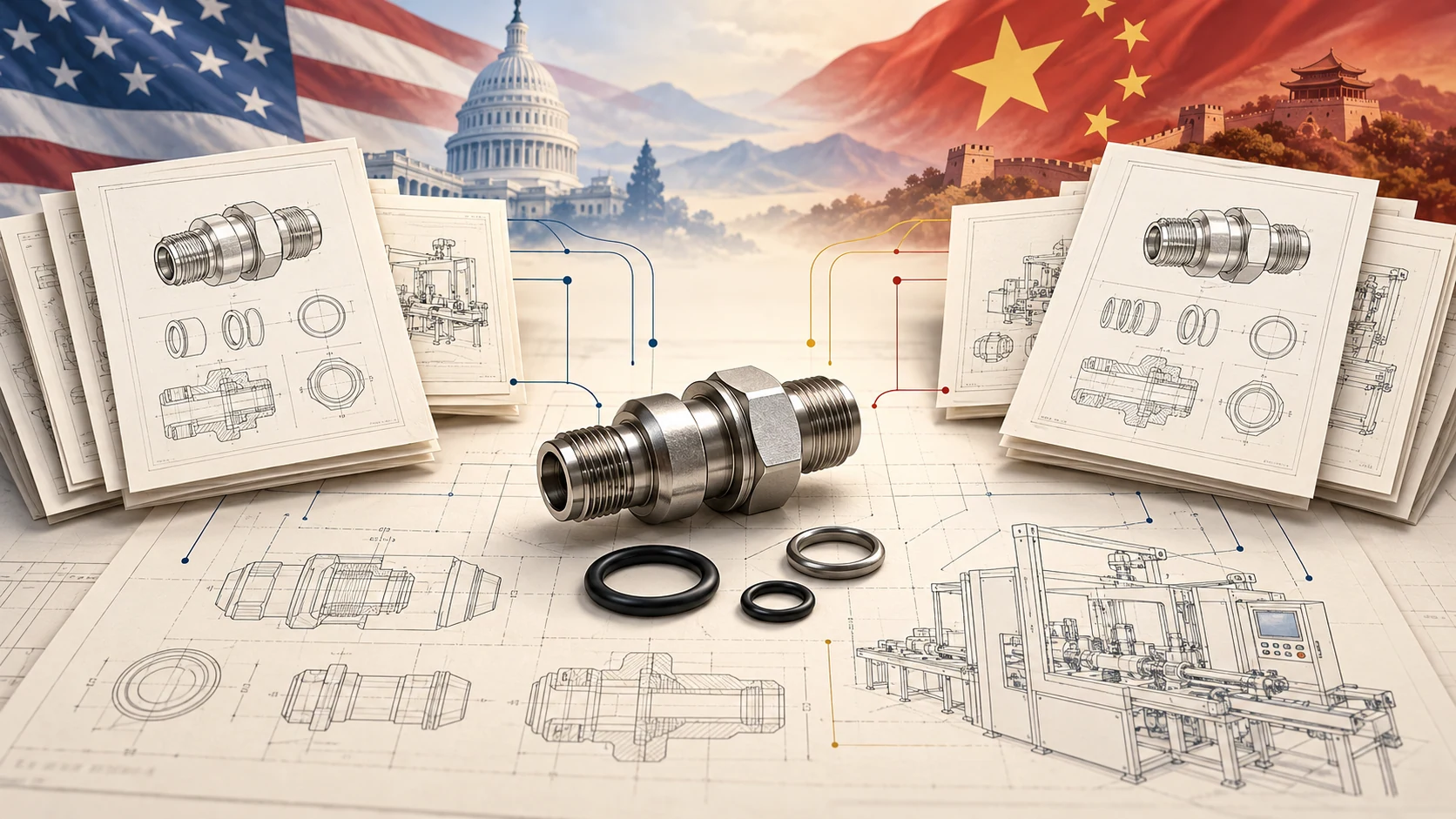
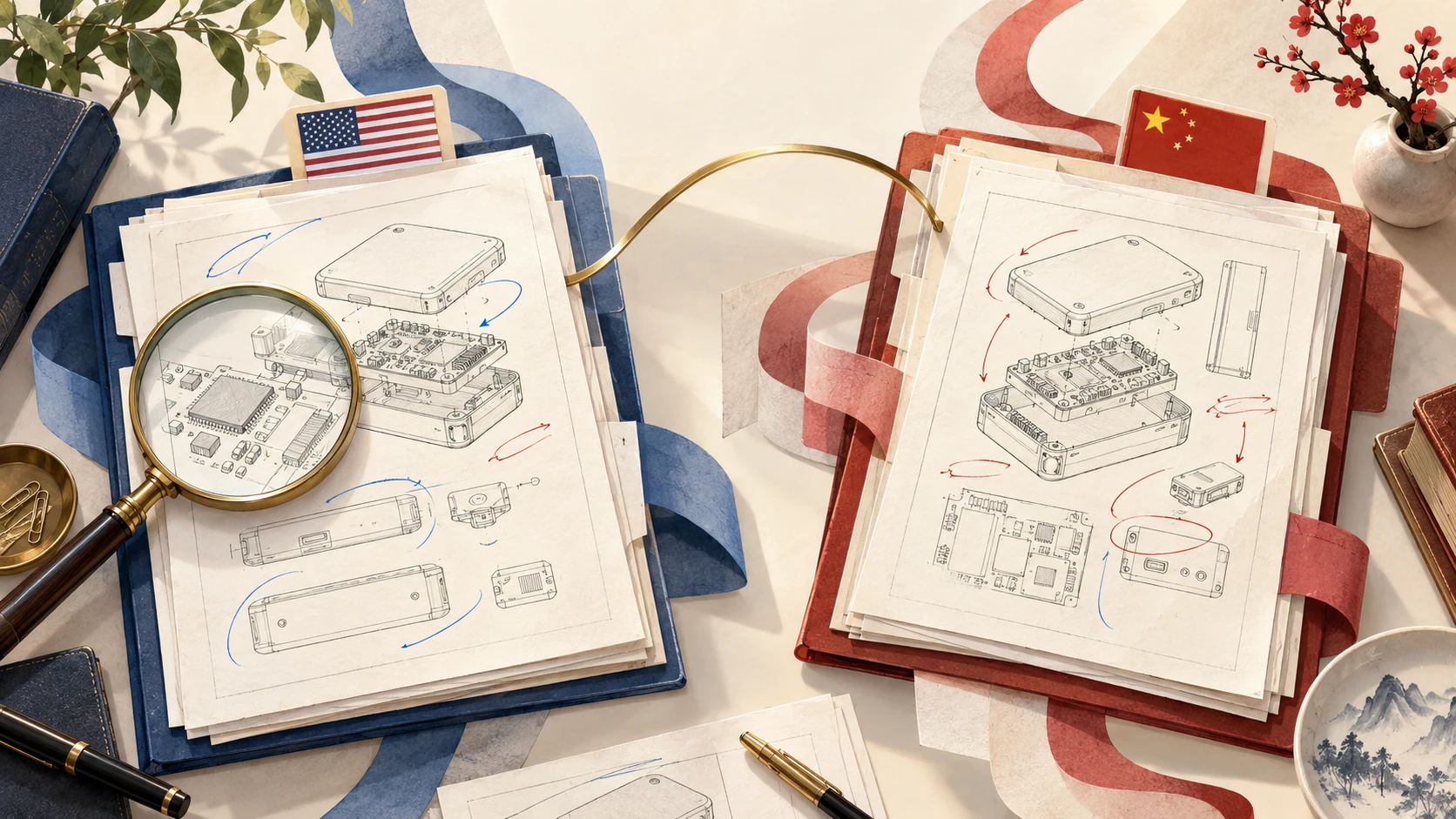
Artificial-intelligence inventions are patentable in both the United States and China, but neither jurisdiction protects “AI” as an abstract label or rewards generic use of a known model in a new field. U.S. practice applies the Alice/Mayo eligibility…

Brandon Theiss · Audio 59:02
Listen on Spotify
European Patent Strategy · 33 min read

Bayh–Dole Across Borders: Government-funded inventions in the United States, EU/Horizon Europe, Germany, Japan, China, and South Korea—organized by coverage, allocation, and continuing public constraints

Bayh–Dole is best understood not as an automatic university-ownership rule, but as a conditional government–contractor bargain that permits a contractor to retain title to qualifying federally funded inventions while preserving disclosure and patenting…

Brandon Theiss · Audio 1 hr 9 min
Listen on Spotify
European Patent Strategy · 17 min read

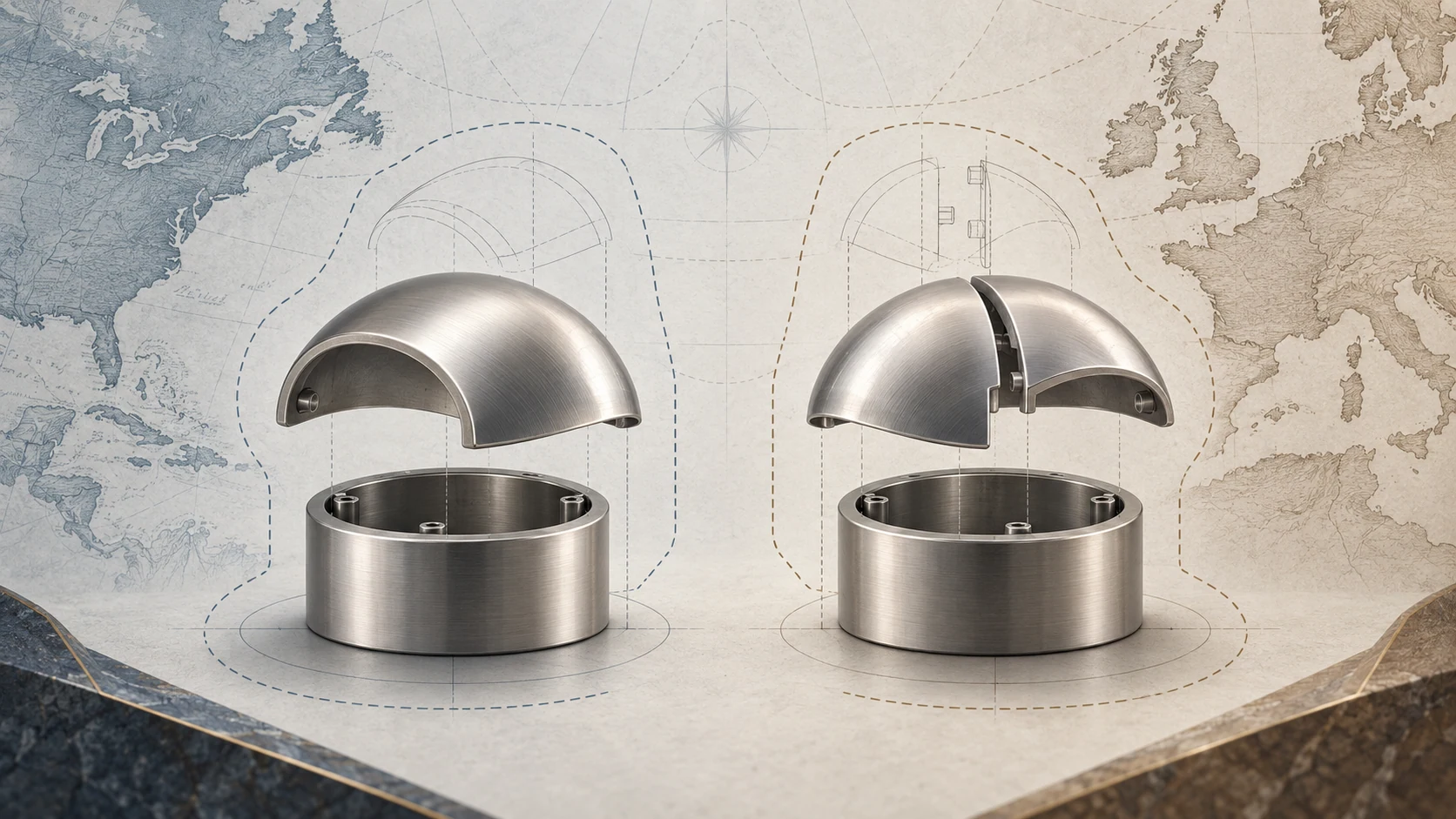
One Design, Two Regimes: U.S. and EU Design Protection After LKQ

This article compares U.S. design-patent law after LKQ Corp. v. GM Global Technology Operations LLC with the European Union’s unitary design regime, highlighting the different perspectives of the U.S. “ordinary designer” and the EU “informed user.” Although…

Brandon Theiss · Audio 35:16
Listen on Spotify
European Patent Strategy · 14 min read

The Global Examiner Interview: Communication, Commitment, and File-History Risk Across the USPTO, EPO, JPO, Korean, and Chinese Patent Offices

Examiner interviews are a valuable prosecution tool, but their strategic significance varies sharply by jurisdiction. The central question is not simply whether an examiner will communicate with the applicant, but whether that communication carries procedural…

Brandon Theiss · Audio 30:38
Listen on Spotify
Patent Prosecution · 9 min read

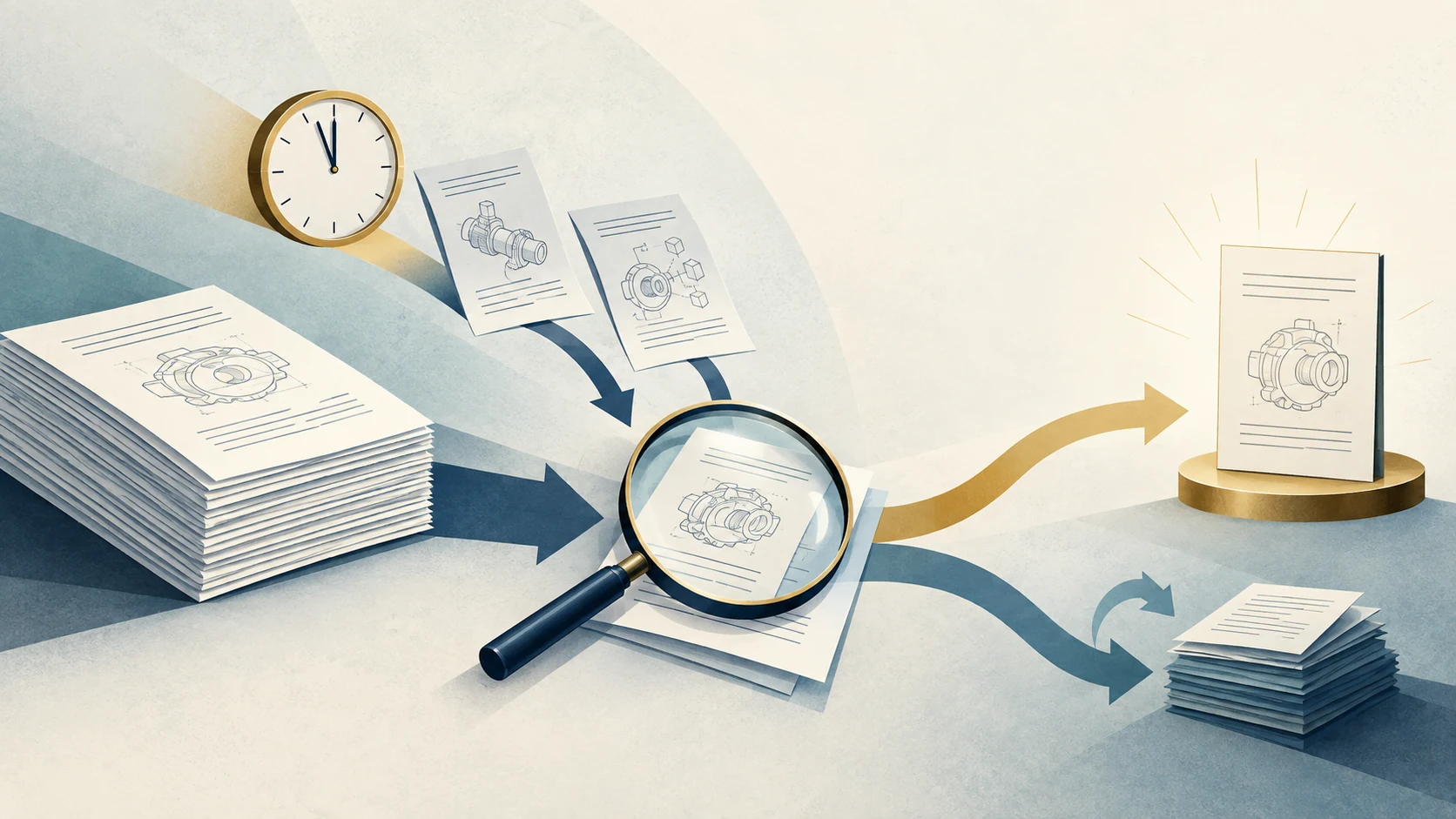
The Three-Month Date Is a Backstop, Not a Filing Target

The Office action arrives, and the unextended response date is entered. Substantive work, however, is scheduled backward from that date. By the time a proposed amendment reaches the inventor, the examiner has limited interview availability, foreign counsel…

Brandon Theiss · Audio 19:03
Listen on Spotify
Patent Prosecution · 14 min read

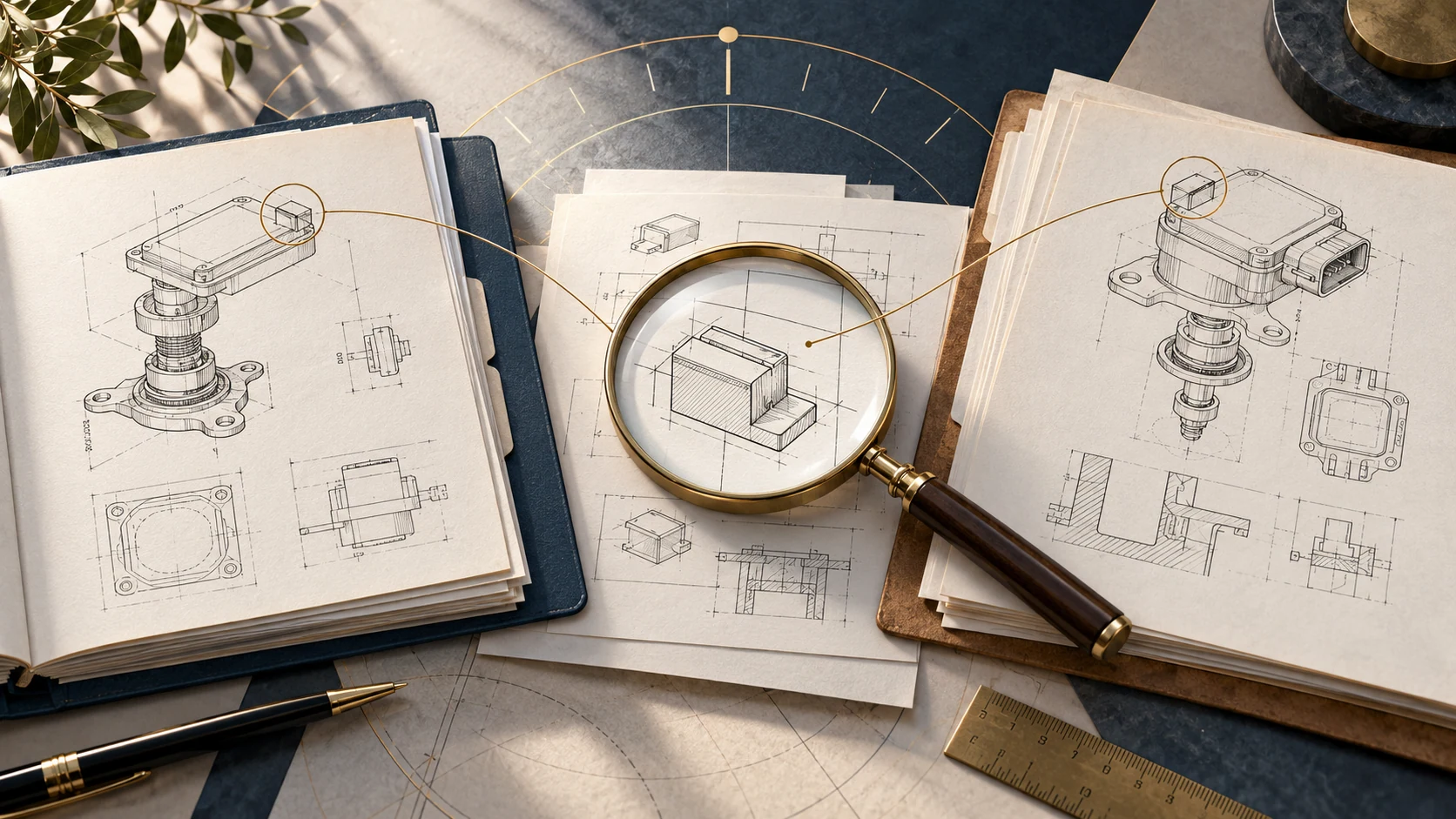
Claim Scope and Disclosure in U.S. and Chinese Patent Law: Written Description, Support, Sufficient Disclosure, and the Forum-Specific Nature of Review

The easiest comparative mistake is to say that U.S. “written description” and Chinese “support by the description” are the same doctrine under different names. They are not. They respond to a similar overclaiming problem, but they operate through different…
Brandon Theiss · Audio 33:57
Listen on Spotify

Audio editions open on Spotify. Each episode is paired with its full written article on this site. These materials provide general information, not legal advice.

Listen on Spotify Browse Episodes

Practical patent analysis for in-house counsel and foreign associates managing U.S. and international portfolios. Choose an episode, then explore the written article for authorities and detail.

Listen to the Latest Episode

Follow the show on Spotify for new episodes, or browse the library below to find analysis by topic.

Listen on Spotify ↗

Episodes use AI-generated narration of published articles. The written article controls if the narration differs; consult it for authorities, citations and links.

Software & AI · 38:29

Korean Software and AI Patents in the United States: Building a Section 101 Practical Application

An invention that meets Korean eligibility requirements may still face U.S. Section 101 objections. This episode compares the two frameworks and explains why identifying a concrete technological improvement matters when preparing U.S. software and AI claims. Useful for foreign associates coordinating U.S. filings and counsel managing cross-border portfolios.

Listen on Spotify ↗Read the Full Article →
Portfolio Strategy · 47:56

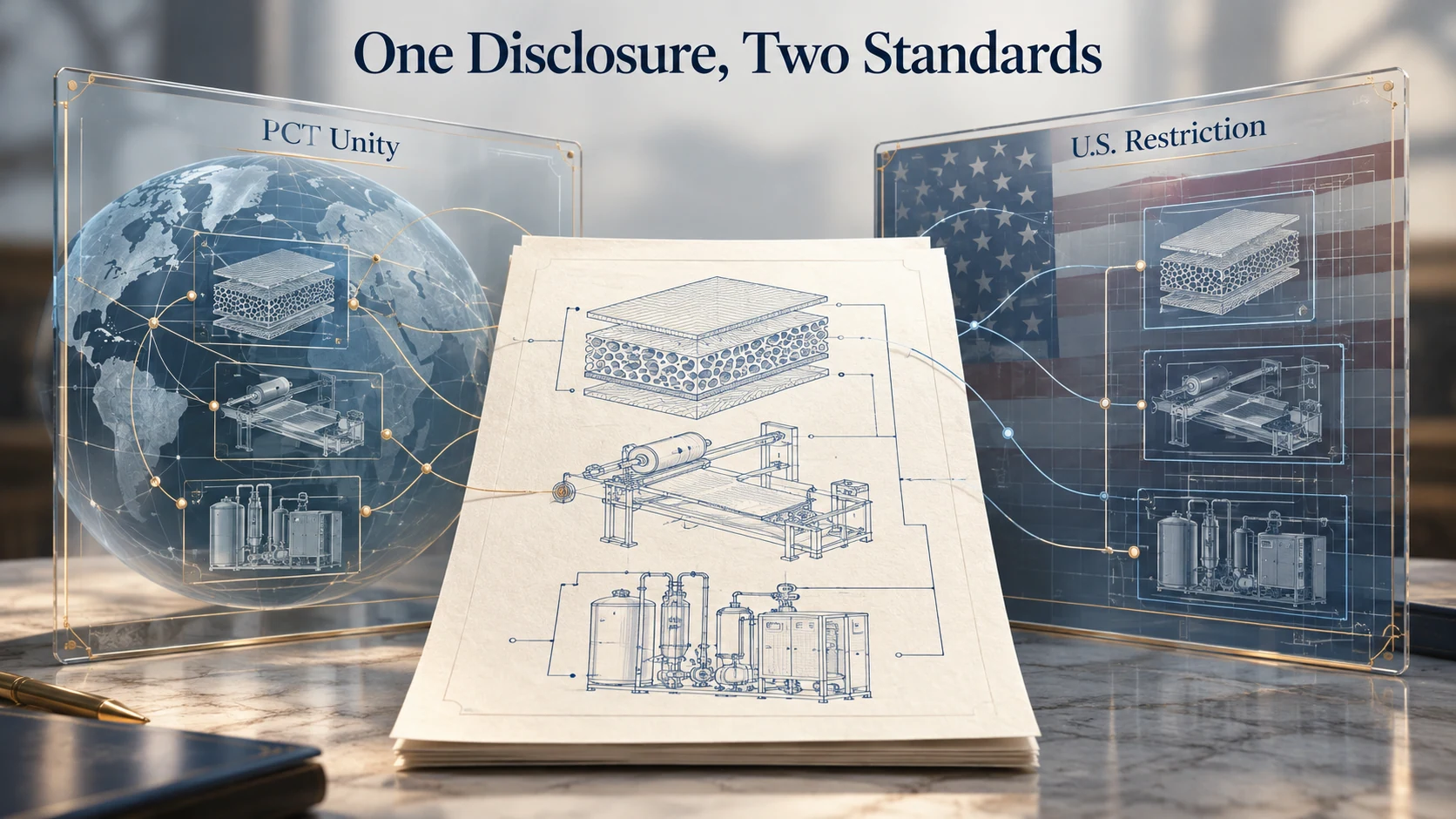
Claiming for Division: When Patent Prosecutors Should Invite Restriction

Restriction can shape a patent family's filing strategy. This episode examines when claims directed to genuinely distinct inventions can help identify divisional opportunities, how disclosure support constrains those choices, and why the resulting claim boundaries matter. Useful for counsel planning protection across a developing technology platform.

Listen on Spotify ↗Read the Full Article →
Prosecution · 40:11

The Examiner Is Not Opposing Counsel: Patent Prosecution as Mediative Advocacy

Examination often advances through careful problem solving with the examiner. This episode explains how to identify the concern behind a rejection, test it against the claims and prior art, and develop supported alternatives that serve commercial objectives. Useful for prosecution teams preparing responses and examiner interviews.

Listen on Spotify ↗Read the Full Article →

Discuss Your Patent Objectives

For assistance with U.S. prosecution, cross-border filing or post-grant strategy, tell us about your objectives and the support you need.

Submit an Inquiry

Please do not include confidential information in an initial inquiry. An attorney-client relationship is formed only through a written engagement agreement.